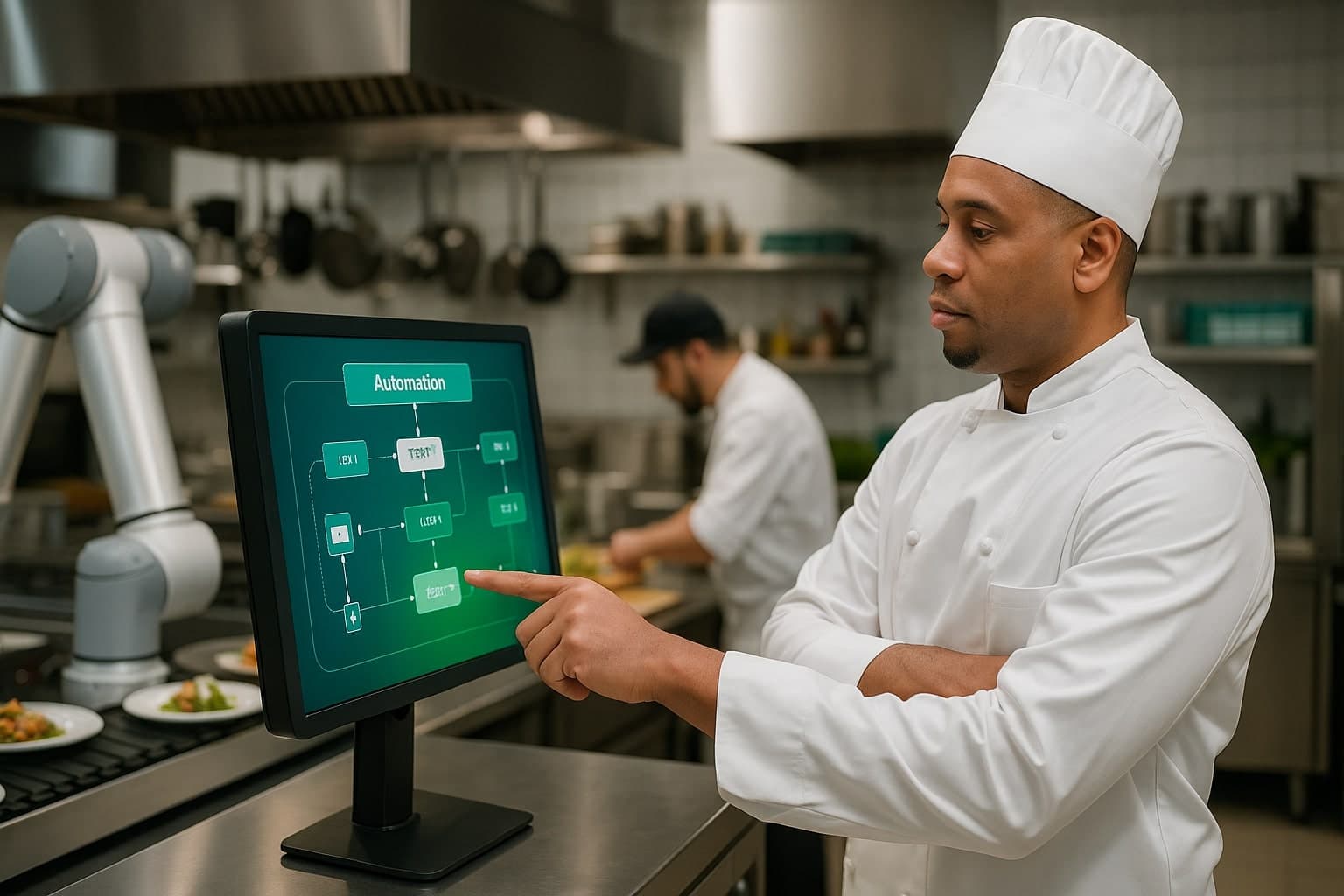

Kitchens teach systematic thinking that translates to operations leadership anywhere. Years in hospitality - most of it in kitchens. Not just cooking. Learning how to run systems under pressure.
Timing
Everything has a window. Prep too early loses quality. Too late backs up service. You learn to sequence work so the right thing is ready at the right time. That's production planning -and it applies to operations everywhere.
No amount of charisma fixes bad timing. Systems and discipline do.
Coordination
Service only works when stations work together: cold, hot, pass, expo. One station behind affects the whole line. You learn to communicate in short bursts, call status, adjust in real time.
In operations: teams and functions must be aligned. Clear roles, clear handoffs, shared picture of what's happening.
Standardization
Recipes and specs so the same dish comes out the same way every time. Portions, temps, plating without standards -inconsistency and waste. In operations: standardization is your playbook. One way to do the thing so every location or shift runs the same.
Handoffs
Shift change in a kitchen is a critical handoff. What's in progress? What's running low? What's the plan for the next rush? Fuzzy handoffs mean the next shift guesses. In operations, handoffs happen everywhere -shift to shift, team to team, site to site.
Defined and confirmed handoffs prevent dropping the ball. Informal handoffs are where things fall through and people get blamed.
Execution Under Pressure
Rush hour doesn't wait. You learn to execute when busy, when something goes wrong, when you're short-handed. Not because you're heroic -because you have a system that holds up under load.
Pressure tests your design. Kitchens teach you to build for that.
The Takeaway
If you came up in a kitchen, you're not starting from zero in operations. The discipline is the same. The vocabulary changes, the principles don't.