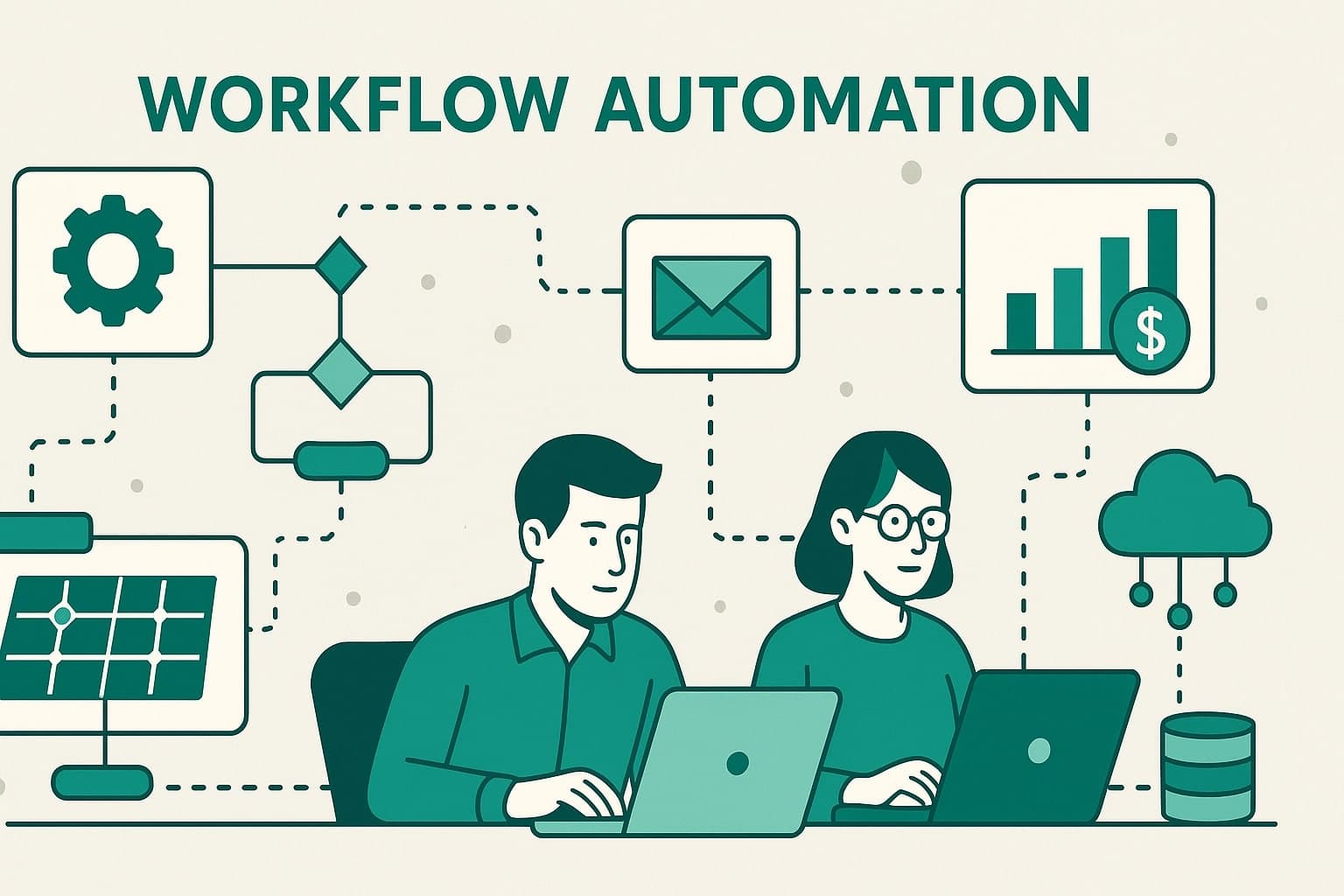
Most Businesses Don't Have a People Problem. They Have a Systems Problem.
When things go wrong, it's easy to blame people. In my experience running hospitality and multi-site operations, the cause is usually missing or broken systems. Fix the system and the outcome changes.
Willie Joseph
Founder, XenoSoft Solutions
I've seen the same pattern for years. A location misses targets. Quality slips. Someone says the team isn't good enough. So you swap people, add training, or push harder. Sometimes it helps for a bit. Then the same kind of failure shows up again somewhere else. That's not a people problem. That's a systems problem.
What a systems problem looks like in the real world
In hospitality and multi-site food operations, you see it everywhere. One site runs smooth. The next is chaos. Same brand, similar labour. The difference is rarely "better people." It's that one place has clear procedures, known handoffs, and a way to see what's actually happening. The other is running on memory and heroics.
When there's no playbook, every shift depends on who's on the floor. When there's no single place to check inventory or production, you get duplicate orders, shortages, or last-minute scrambles. When communication lives in WhatsApp and spreadsheets, things get missed and nobody has a clear picture. Those aren't character flaws. They're design flaws in how the operation is set up.
Why we default to blaming people
Blaming people is fast and simple. It doesn't require changing how we work. But it doesn't fix the underlying cause. If the system allows two people to use two different numbers for the same thing, someone will eventually "get it wrong." If there's no standard for how to hand off between shifts, something will fall through the crack. If leadership can't see what's happening without asking five people, they'll be reactive instead of ahead of issues.
Good operators in a bad system will still produce inconsistent results. Average operators in a clear system will perform more consistently. That's why operations consulting that focuses on playbooks, visibility, and simple systems usually has a bigger impact than another round of "better hiring" or "more training" alone.
What fixing the system actually means
Fixing the system means: one way to do the thing, written down and followed. One source of truth for numbers that matter. Clear handoffs so the next person or location isn't guessing. And a way for leadership to see status without playing telephone. That's workflow and process design in plain language. It's what we do when we help teams turn messy processes into clear operating playbooks.
It doesn't require fancy tech at the start. It requires deciding what "done" looks like, who does what, and where the information lives. Once that's in place, software can support it. Without it, software just automates the mess.
The takeaway
Before you conclude you have a people problem, ask: Do we have a shared playbook? Do we have one place for the numbers that matter? Do we have clear handoffs and visibility? If the answer to those is no, start there. Most of the time, fixing the system fixes the outcome. I'm still in operations every day; I see it in real environments. If you want to talk through how that applies to your operation, here's how to reach me.
Want to turn messy processes into clear playbooks?
We help teams build SOPs, fix communication, and get visibility into what's actually happening. No buzzwords, just operations.
Discuss your operations